Employee burnout rarely results from a lack of annual leave. More often, it stems from poor planning around who is off, when they are away, and how their absence affects the rest of the organisation. Without clear visibility, even routine leave requests can create workload imbalances that place unnecessary pressure on teams.
This article explores how limited visibility into leave contributes to cross-departmental burnout, why clear scheduling matters for workforce planning, and how leave management software helps organisations create healthier, more balanced teams.
The Hidden Cost of Poor Annual Leave Visibility
Annual leave planning affects far more than individual teams. When managers lack a complete overview of upcoming absences, businesses struggle to maintain consistent staffing levels and service quality.
Unexpected resource gaps force employees to take on additional responsibilities at short notice. Over time, this creates frustration, reduces productivity, and increases the risk of burnout.
Key discussion points:
- How manual leave tracking creates operational blind spots
- The impact of overlapping leave requests on service delivery
- Why reactive workforce planning increases employee stress
- The cost of understaffing during peak periods
- How poor visibility affects customer experience and project timelines
Why Cross-Department Visibility Matters
Departments rarely operate in isolation. Sales teams depend on operations, finance supports every function, and customer service teams rely on input from multiple stakeholders.
Without a central view of employee availability, one approved leave request can create bottlenecks across the organisation. Managers need visibility beyond their own teams to plan effectively.
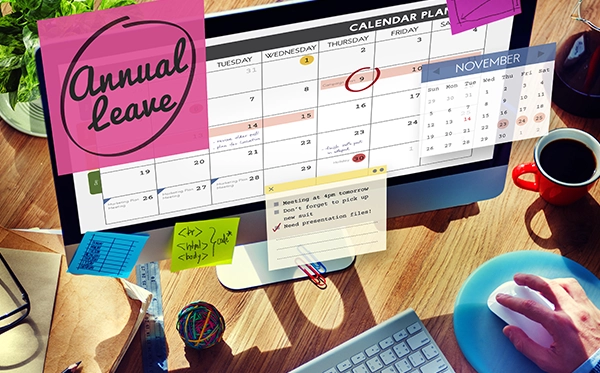
Shared leave calendars support better communication, stronger collaboration, and more informed decision-making.
Key discussion points:
- How leave patterns affect interconnected teams
- The importance of a centralised leave management process
- Why business-wide visibility supports operational resilience
- How managers can identify resource gaps earlier
- The role of transparent scheduling in improving collaboration
How Poor Scheduling Contributes to Employee Burnout
Burnout develops when employees face sustained pressure without adequate recovery time. Poor leave planning often creates these conditions.
Employees who regularly cover for absent colleagues face heavier workloads, tighter deadlines, and longer working hours. If these patterns continue, morale and engagement decline.
Clear scheduling helps managers distribute work more fairly and identify pressure points before they affect employee wellbeing.
Key discussion points:
- Early warning signs of workload-related burnout
- How uneven workload distribution affects team morale
- The relationship between leave planning and employee wellbeing
- Why proactive scheduling supports healthier teams
- The importance of balancing workloads during busy periods
The Business Benefits of Clear Annual Leave Scheduling
Effective leave management supports both people and performance. When managers have access to accurate, real-time information, they can plan resources with confidence.
Clear scheduling reduces disruption, improves productivity, and creates a more consistent employee experience.
Organisations that manage leave effectively spend less time on administration and more time focusing on strategic priorities.
Key discussion points:
- Improved workforce planning and resource allocation
- Better coverage during holidays and peak demand periods
- Reduced scheduling conflicts and administrative errors
- Increased employee trust and transparency
- Stronger business continuity across departments
Features That Improve Annual Leave Visibility
The right leave management software gives managers and employees instant access to accurate information while reducing administrative effort.
A centralised platform replaces spreadsheets and manual processes with automated workflows and real-time reporting.
Key features include:
- Shared leave calendars with company-wide visibility
- Real-time leave balances and entitlement tracking
- Automated approval workflows and notifications
- Custom leave types and region-specific policies
- Department and location filtering for managers
- Conflict alerts for overlapping requests
- Employee self-service access via desktop and mobile
- Reporting dashboards for absence trends and workforce planning
- Document uploads and audit trails
- Multi-region support for businesses operating across ROI, Northern Ireland, and Great Britain
Moving Beyond Spreadsheets and Manual Processes
Spreadsheets and email approvals create unnecessary complexity. Information quickly becomes outdated, approval chains slow down, and reporting takes valuable time away from HR teams and managers.
Digital leave management systems centralise information and provide a single source of truth for the entire organisation.
Automation reduces errors, improves compliance, and ensures managers always have access to the latest information.
Key discussion points:
- The limitations of manual leave tracking
- Risks associated with outdated information
- How automation improves accuracy and consistency
- The value of real-time reporting and analytics
- Why digital processes support growing organisations
How HR LeaveHub Helps Teams Stay Visible and Balanced
HR LeaveHub gives employees, managers, and HR teams a clear view of leave across the business.
Real-time dashboards, automated workflows, and shared calendars help organisations identify resource gaps early and maintain balanced workloads across departments.
By improving visibility, HR LeaveHub helps businesses reduce administrative effort, support employee wellbeing, and strengthen operational planning.
Key discussion points:
- Shared leave calendars across teams and locations
- Automated approval processes and notifications
- Accurate leave balances and entitlement tracking
- Workforce planning reports and absence analytics
- Flexible settings for multi-region organisations
Create Clearer Schedules and Healthier Teams
Annual leave visibility is more than an administrative process. It is a practical way to reduce workload pressure, improve collaboration, and protect employee well-being.
Register for a 14-day free trial of HR LeaveHub and discover how clear leave scheduling helps your teams stay productive, supported, and prepared.
Frequently Asked Questions
Why is annual leave visibility important for preventing employee burnout?
Clear visibility helps managers identify resource gaps before they affect workloads. When teams can see upcoming absences across departments, they can redistribute work, adjust deadlines, and arrange cover in advance. This reduces last-minute pressure and helps prevent employees from consistently taking on extra responsibilities.
How does poor leave scheduling affect different departments?
Departments rarely work independently. Leaving one team can affect project delivery, customer service, finance processes, and operational performance elsewhere in the business. Without a central view of employee availability, organisations risk creating bottlenecks, delaying work, and increasing pressure on remaining employees.
What are the limitations of using spreadsheets to manage annual leave?
Spreadsheets often lack real-time updates, create version control issues, and depend on manual data entry. Managers may not have access to the latest information, which increases the risk of overlapping leave requests, inaccurate balances, and workload imbalances across teams.
How does leave management software improve workforce planning?
Leave management software provides real-time visibility into employee availability, automates approval workflows, and centralises leave records. Managers can identify staffing gaps early, plan resources more effectively, and maintain balanced workloads during busy periods and peak leave seasons.
Can leave management software support businesses operating across Ireland and the UK?
Yes. Multi-region leave management software allows organisations to manage different leave policies, public holidays, and employee entitlements across Ireland, Northern Ireland, and Great Britain from a single platform. This improves consistency and simplifies workforce planning for cross-border teams.
What features help managers prevent cross-departmental burnout?
Shared leave calendars, real-time leave balances, conflict alerts, approval workflows, and reporting dashboards help managers understand workforce availability across the organisation. These features make it easier to distribute workloads fairly and identify potential pressure points before they affect employee well-being.