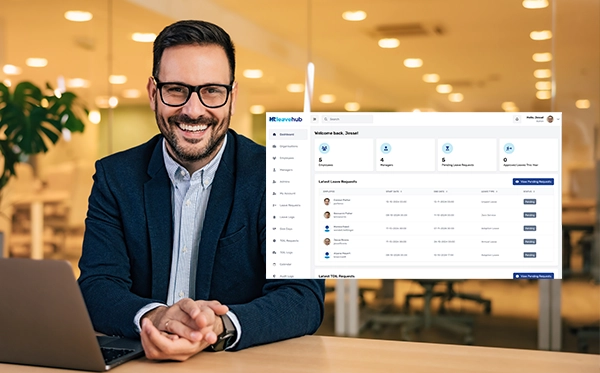
Most absence problems don’t appear out of nowhere. They start as small, subtle patterns that quietly sap productivity, overload teams and frustrate managers. Left unchecked, these hidden trends can cost organisations thousands, yet they are almost invisible when tracking leave manually.
Here’s how to detect the warning signs early, and how automation transforms absence management from guesswork into insight.
Why Most Absence Problems Go Unnoticed
A single sick day rarely raises concern. Managers often treat each absence as isolated, assuming it’s just bad luck. The problem? Patterns only emerge over time.
- Employees calling in sick on Fridays or Mondays
- Single-day absences without notice
- Absences that spike during busy periods or deadlines
When leave data is scattered across emails, spreadsheets, or memory, these trends remain invisible—until the impact is already felt.
Pattern 1: The “Convenient Sick Day”
Some absences consistently fall at the start or end of the week, or immediately after a holiday. Individually, each day seems reasonable, but the repetition creates operational headaches: coverage gaps, planning challenges and mounting frustration for colleagues.
How automation helps:
Centralised leave tracking turns isolated days into visible patterns. Managers can spot trends at a glance and address them factually rather than relying on instinct.
Pattern 2: Frequent Single-Day Absences
Even if each absence seems minor, repeated short absences strain teams and managers. Workloads shift on short notice, operational planning suffers and high-performing employees absorb the pressure.
How automation helps:
HR LeaveHub consolidates leave into one system. Managers can see absence frequency across employees and teams, ensuring fair, consistent and timely interventions.
Pattern 3: Absences During Peak Periods
Some employees tend to take leave when the business is busiest—around deadlines, seasonal peaks or key projects. These absences multiply stress for other staff, disrupt delivery and fuel frustration.
How automation helps:
With shared dashboards and real-time reporting, HR LeaveHub highlights overlapping absences and workload risks. Managers can act before bottlenecks appear, balancing team capacity proactively.
Why Managers Struggle Without a System
Without automation, spotting patterns relies on memory—and memory fails:
- Managers may notice patterns too late
- Responses are inconsistent across teams
- Evidence for conversations is weak or anecdotal
This creates risk, frustration and inequity, even when managers are trying to be fair.
The Real Cost of Ignoring Patterns
Hidden leave trends quietly drain resources:
- Productivity drops as managers constantly react to gaps
- Fatigue and burnout increase among staff covering repeated absences
- Disengagement rises and turnover follows
- Inconsistent handling creates HR risk and compliance exposure
Manual tracking delays detection until costs are already high.
How HR LeaveHub Turns Data into Insight
HR LeaveHub centralises all leave data, making patterns visible and actionable:
- Employee-level and team-level dashboards reveal trends instantly
- Audit-ready records support consistent, fair conversations
- Automated alerts highlight recurring absences before they escalate
- Shared calendars and visibility reduce friction, planning gaps and tension
The result? Absence management becomes proactive, not reactive. Managers act on evidence, employees feel treated fairly and organisational risk drops.
Making Leave Management Work for Everyone
With HR LeaveHub, absence tracking is simple, transparent, and consistent:
- Patterns are detected early, before they cause disruption
- Managers gain clarity without micromanaging
- Employees submit leave confidently, knowing rules apply equally
- Teams plan around absences instead of reacting to them
The hidden costs of leave disappear when data drives decisions, not guesswork.
Start spotting patterns today—register for your 14-day free trial of HR LeaveHub.
FAQ: Hidden Absence Patterns
What is a hidden leave pattern?
Repeated absences that individually seem minor but, over time, create operational strain—like frequent Fridays off or absences around deadlines.
Is this about policing employees?
No. The goal is visibility, fairness, and proactive management—not suspicion.
How does automation help?
Centralised systems make patterns visible, track frequency, highlight overlaps, and provide audit-ready records.
Does HR LeaveHub replace absence policies?
No. Policies define expectations. LeaveHub ensures they’re applied consistently.
Can small teams benefit?
Absolutely. Even small teams gain early visibility and fair, consistent tracking.
How quickly can employers see results?
Immediately. Patterns become visible as soon as data is centralised, allowing proactive management from day one.