Requesting time off often feels personal instead of procedural. Employees hesitate, overthink, or justify leave even when they are fully entitled to it. The result is a quiet friction that affects wellbeing, planning and trust.
This hesitation isn’t caused by a lack of policy. It’s caused by how leave is requested and approved in practice.
This article explores why employees feel uncomfortable asking for time off and how automated leave management removes guilt, reduces hesitation and builds trust through simple, consistent systems.
Why Employees Hesitate to Ask for Leave
Employees often delay or soften leave requests, even when entitlement is clear. The behaviour shows up subtly: waiting for the “right time,” adding unnecessary explanations, or apologising for taking time off.
One reason is visibility. In many workplaces, presence still influences how performance is perceived. Being away can feel risky, especially when responsiveness and availability are informally rewarded.
Another factor is concern for colleagues. When coverage and overlap are unclear, employees worry their absence will create extra work for others. This uncertainty encourages people to postpone leave instead of planning it properly.
Finally, leave requests often become personal. Employees feel the need to justify why they need time off, overshare personal details, or frame requests carefully to avoid judgement.
This behaviour thrives in organisations where leave is requested through emails, chats, or informal conversations. Without structure, time off becomes a social negotiation rather than a routine process.
When Leave Feels Like a Favour Instead of a Right
Informal leave requests turn entitlement into something conditional. Approval can be influenced by tone, timing, phrasing, or who else is copied into the message.
Employees sense this. They overthink how to ask, when to ask, and who to approach. Requests get delayed or softened, and time off stops feeling routine.
Managers, often unintentionally, become subjective gatekeepers. Decisions are made based on context and memory rather than consistent rules. This creates uneven experiences across teams and roles.
A standardised digital leave request process changes this dynamic. Every request follows the same path. Employees submit leave without explanation. Managers review requests without messaging bias.
Consistency removes pressure. When the process is predictable, entitlement feels real again.
How Automation Removes Guilt from Time Off
Automation removes personal interpretation from leave requests. When requests move through a system, managers assess availability and entitlement, not intent.
Leave becomes a neutral transaction. Employees submit requests the same way they complete other operational tasks. There is no need to manage impressions or justify rest.
Decisions are based on visibility, not explanation. Managers can instantly see:
- Leave balances and entitlement
- Team availability and overlap
- Conflicts that need planning, not negotiation
Key automation benefits include:
- Live leave balances that remove doubt at the point of request
- Rule-based approval workflows applied consistently
- Audit-ready records that replace memory and informal tracking
Employees stop asking for time off and start submitting leave with confidence.
Visibility Replaces Social Guesswork
Without visibility, employees guess whether it’s a “good time” to be away. They worry about overlap, deadlines, and pressure on colleagues. This uncertainty leads to hesitation rather than early planning.
Late-discovered clashes create guilt and frustration. Even when entitlement exists, employees feel responsible for disruption that could have been avoided.
Transparency removes that burden. When availability is visible, leave becomes a shared planning decision rather than a personal risk.
Effective systems provide:
- Shared team leave calendars
- Early overlap warnings
- Manager dashboards that support proactive planning
When absence is visible, teams plan around it instead of reacting to it.
Trust Is Built by Systems, Not Statements
Trust doesn’t come from messaging. It comes from predictable outcomes.
Employees trust what systems allow, not what policies promise. A written policy may say leave is encouraged, but informal processes quietly undermine that message.
Fairness must be visible. When decisions rely on memory or personal judgement, trust erodes. When rules are applied consistently, confidence builds without reassurance.
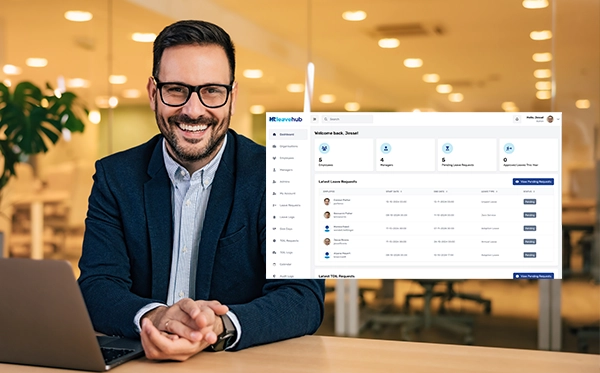
HR LeaveHub supports this by:
- Applying rule-based approvals equally across teams
- Maintaining centralised, consistent leave records
- Automating entitlement tracking to prevent silent inequality
Trust becomes part of daily operations, not an abstract value.
The Business Cost of Awkward Leave
When employees delay time off, fatigue accumulates. Over time, this shows up as burnout, sickness absence, disengagement, or reduced performance.
Informal leave processes also create inconsistency. Different managers handle requests differently, increasing the risk of complaints and damaging trust.
Manual tracking introduces compliance risk. Spreadsheets and email trails fail as organisations grow, leading to errors in entitlement, carryover, and records.
Automated leave management reduces these risks without adding admin by keeping data accurate, visible, and consistent.
Make Time Off Ordinary Again
Time off works best when it feels ordinary. When leave is routine, employees plan better and recover properly.
HR LeaveHub removes emotion from leave by design. Requests follow a clear process. Decisions rely on visibility and rules, not tone or timing.
No guilt. No explanations. No social negotiation.
Just a system that treats time off as normal business activity and builds trust quietly, every day.
Register today and get a 14-day free trial of HR LeaveHub.
Frequently Asked Questions
Why do employees feel uncomfortable asking for leave even when entitled?
Because informal requests feel personal. Employees worry about judgement, timing, and impact on others. Emails and conversations turn entitlement into permission-seeking.
Does automation make leave management impersonal?
No. Automation removes unnecessary emotion, not human support. Conversations still happen when needed, but the request itself becomes neutral and fair.
How does HR LeaveHub reduce guilt around time off?
By replacing explanation with visibility. Employees submit requests through a standard system, and managers see entitlement, availability, and overlap instantly.
Do managers lose control over approvals?
No. Managers gain clarity. HR LeaveHub applies clear rules, highlights conflicts early, and supports faster, more consistent decisions.
Can HR LeaveHub handle different policies and entitlements?
Yes. It tracks multiple leave types, custom entitlements, carryover rules, and approval workflows in one system.
Does automation really improve trust?
Yes. Trust grows when systems treat everyone equally. Predictable workflows remove doubt, hesitation, and perceived favouritism.
Is HR LeaveHub difficult to set up?
No. Setup is quick. Employers configure leave types, rules, and visibility once, and the system runs consistently from there.
Is HR LeaveHub suitable for small teams?
Yes. Small teams benefit from clarity early, while growing organisations rely on automation to stay consistent at scale.